
The train from Maastricht to Haarlem is nearly three hours if you take the slow route, and the slow route is the one that lets you arrive already thinking about light. By the time the station platform came up I'd worked out which side of the city I wanted to start on, which meant the first hour was mostly redrafting that plan as I walked.
Haarlem in April is bright, cold, and wind-forward. The kind of morning where the sky doesn't commit — cloud cover moving fast enough that a scene two minutes from now has different light than the scene in front of you. The camera bag came off my shoulder six times before I actually took a picture.
The Grote Markt
The cathedral is the first decision every photographer in Haarlem has to make. You can shoot it the way it wants to be shot — centred, symmetrical, full-face — or you can walk around it until it becomes a shape rather than a subject. I did the second for forty minutes before giving in and doing the first.
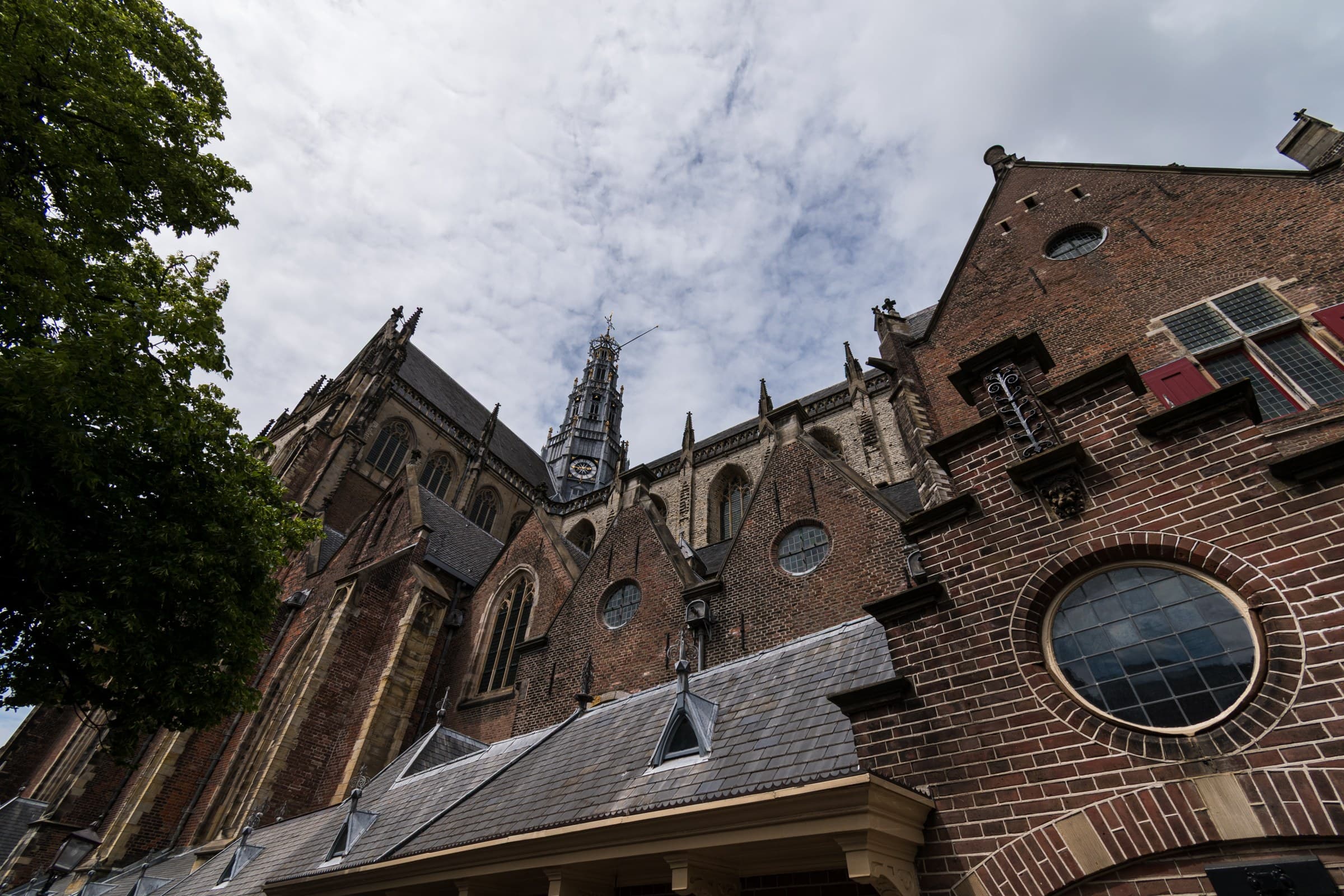
The honest answer was that the obvious shot was the good one. The building earned its obviousness. This is a theme that kept coming back through the day — most of the frames I kept were the ones I almost didn't take because they felt too available.
Along the Spaarne
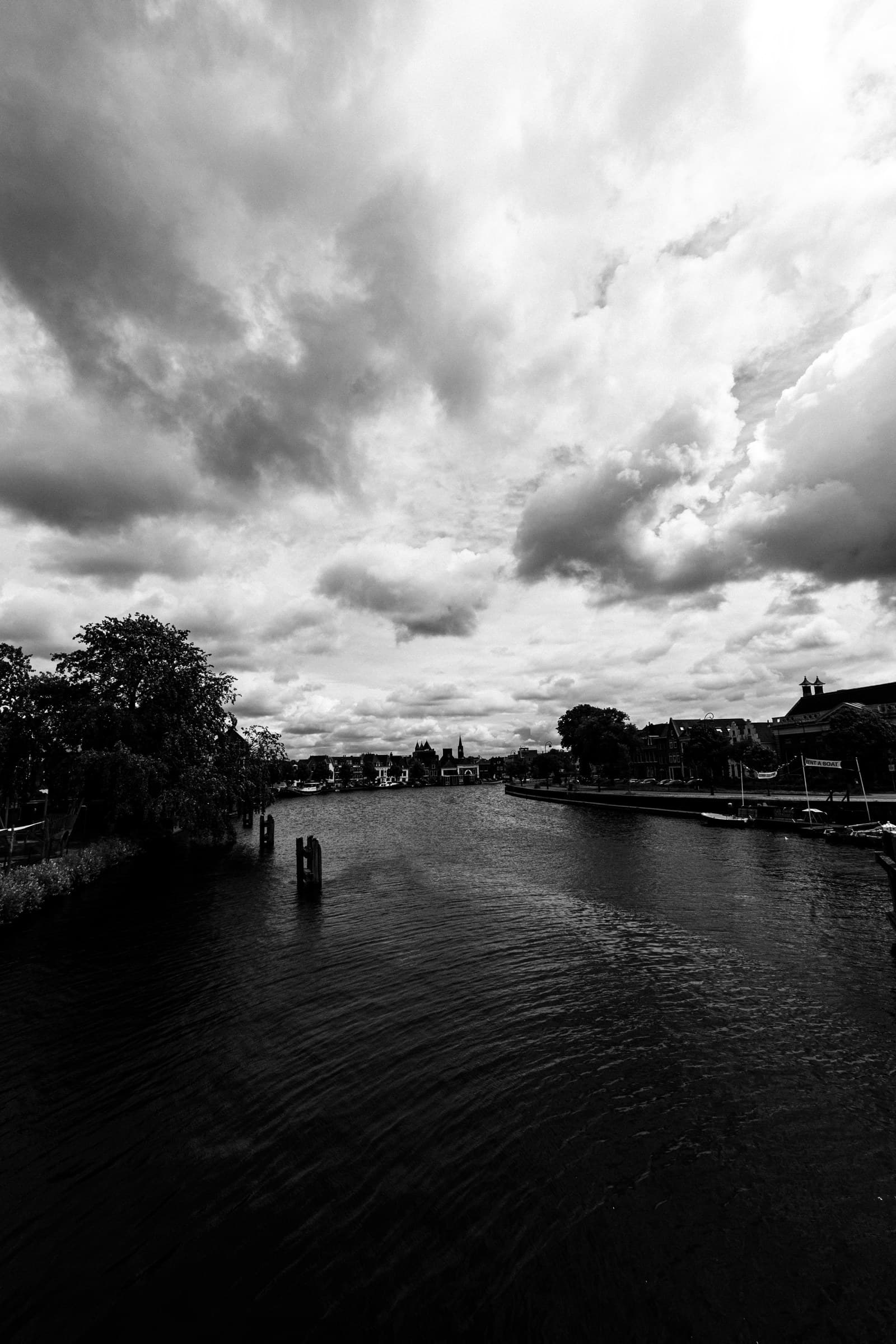
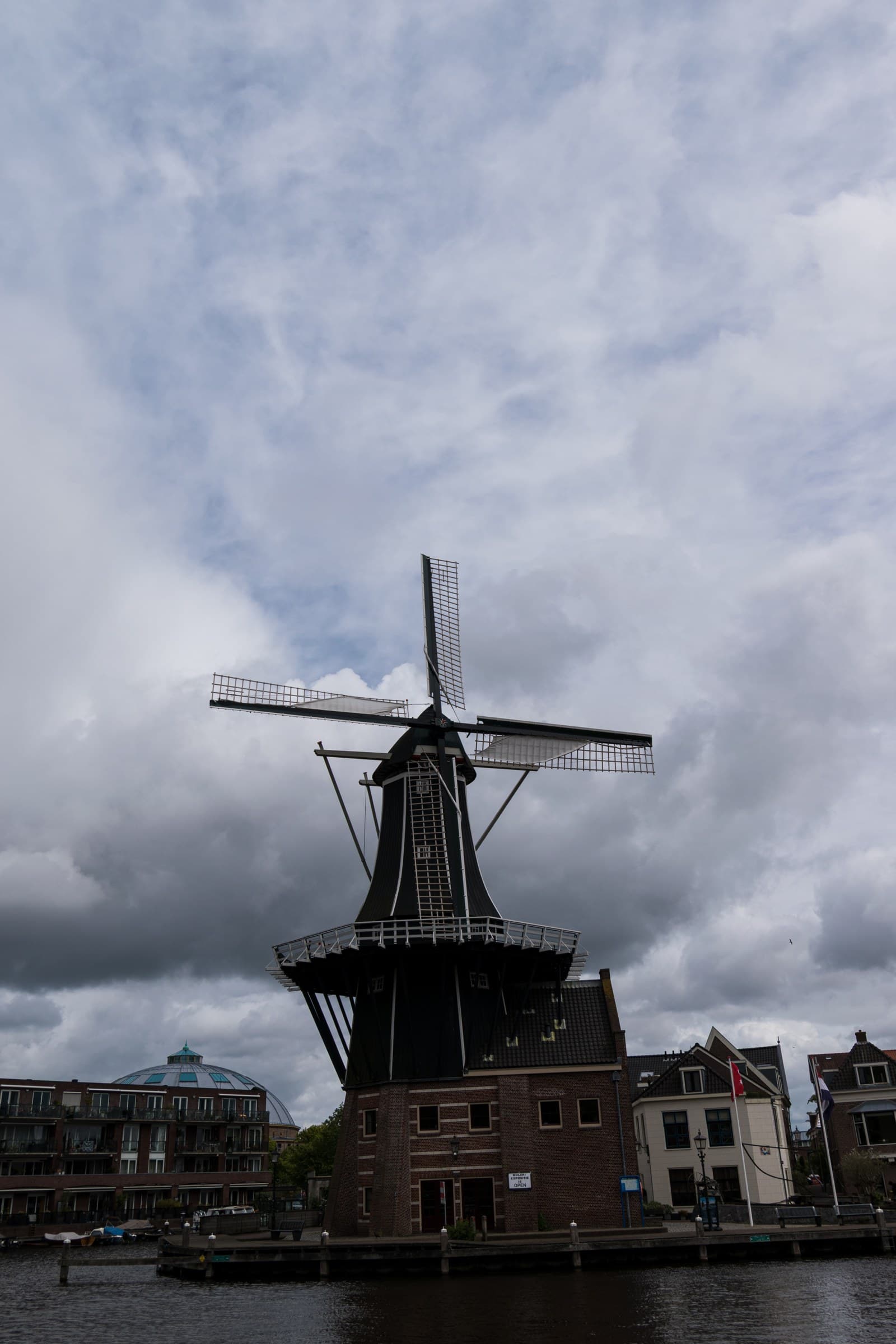
The river is where the day slowed down. I'd budgeted an hour for the Spaarne and gave it two and a half. The light kept changing, and every change was a different picture of the same row of houses. This is the part of shooting that doesn't fit in the sorter — the sitting and looking.
Every change in the light was a different picture of the same row of houses.
I think I took one genuinely good photo in that two and a half hours. The rest were the same idea from slightly different angles, and the sorter caught that cleanly when I ran the batch the next morning — a cluster of the reflection shots got flagged as burst duplicates of each other.
What the day changed
By the time the light went flat around half past four I'd stopped trying to take photographs and started trying to notice what I was already looking at. The two modes are different enough that you can feel the switch. The first is acquisitive. The second is closer to reading.
The sorter ran the next morning in about twelve minutes. Forty-six photos survived the catastrophic gate, six of those landed in Halcyon, one cleared the Signature threshold clean. That ratio is closer to what a real shoot produces than anything the stress tests showed.
What the walk asked of the work — and I don't think I understood this before the walk itself — is that the ranking has to be ruthless enough to make the keepers actually mean something. If Haarlem had produced thirty portfolio-grade photos, the portfolio would be worse, not better. The six are enough. The one is enough.
The train back took three hours again. The slow route.